

Kedoshim: How Are We Holy?
What does it mean to be kadosh, “holy,” or “sanctified”? I always used to think it meant “elevated,” or somehow, “better than” something or someone else.
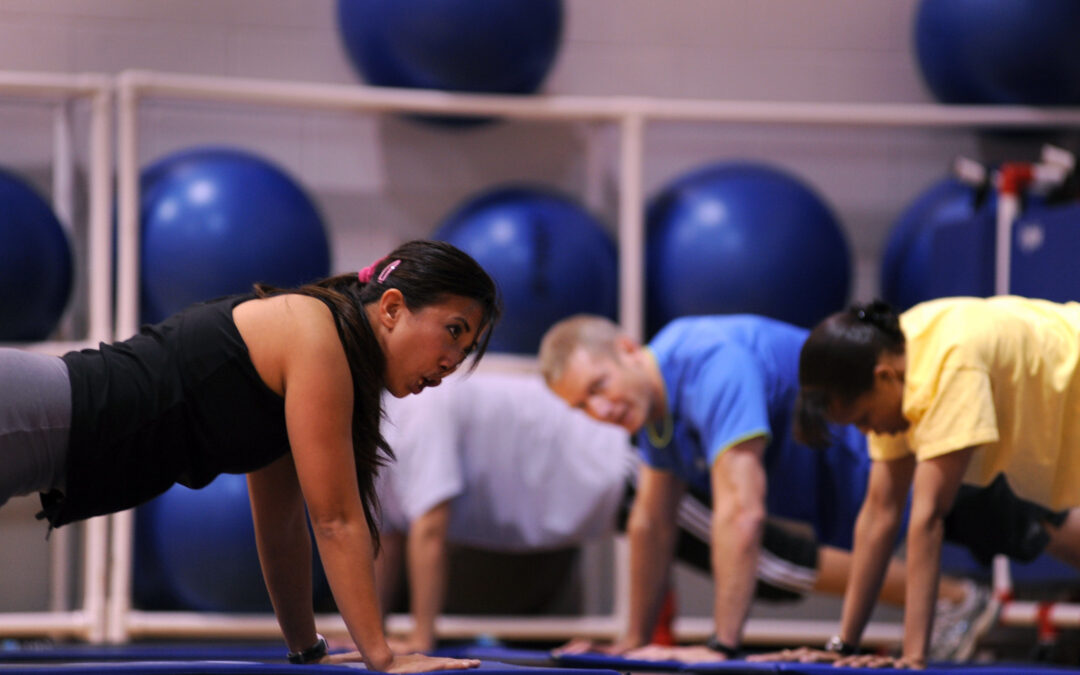
Achare Mot: “I Can DO It Myself!”
Years ago Joan Collins did a commercial for Jack LaLane Fitness Centers. She asked her butler to bring her her shoes and gym bag. When he asked if perhaps he should exercise for her, she replied, “There are some things one must do for one’s self.”
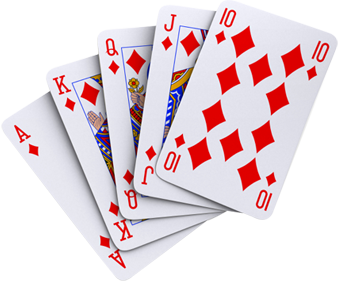
Life: The Luck Of The Draw
The Talmud (28a) shares, “Rava said: Length of life, children, and sustenance do not depend on one’s merit, but rather they depend upon fate.

Vayechi: Spiritual Care For The Dying
What Jacob needs from Joseph isn’t physical or medical care; he has 11 sons and their families to take care of him. What he needs from his favored son is spiritual support.
Vayetze: 50 Years Later
This Shabbat marks 50 years since I read the haftarah for Vayetze at my Friday night bat mitzvah at B’nai Torah in Trumbull, CT. Where has the time gone? Who could have imagined that 50 years later I’d be a rabbi, have been married–and be a mother–more than half of my life?

Toldot: Because Labels Are For Cans
When our children are born, we have hopes, ideas and preconceived notions about how they’ll turn out based on our own families of origin, our lives and our environment.
Vayera: Putting God On Hold
This week’s Torah reading, Vayera, opens with: Vayera ay-lav Ado-nai bay-lonay Mamray v’hu yoshev petakh ha-ohel b’khom hayom, “And God appeared to him (Abraham) by the groves of Mamre; he was sitting at the entrance of the tent in the heat of the day.”

Ted Lasso’s Lech Lecha Moments
The second season of Ted Lasso, Apple TV’s award-winning TV show, finished last week, and I’m left with so many questions about what’s going to happen next season!
Noah: Because God Had to Grow Up Too
What does it mean to be righteous in one’s generation, and what’s the role of the Divine Creator in all of this?
The Shmita year, Rosh Hashanah 5782, Day 2
There are very few things in life that don’t seem better after a good night’s sleep, or even after a nap. While not everyone wakes up in the morning ready to bounce out of bed and start the day–and I so appreciate the invention of the snooze button–the scientific...
Mental Health, Rosh Hashanah Day 1, 5782
Comedian Jerry Seinfeld does a standup routine about the Olympic Games, and speaks about the silver medal, and how he’d almost rather come in last than win silver; “It’s like, congratulations, you almost won.” He points out in that in some of the contests, such as...

Nitzavim: What Difference Will We Make?
In this week’s Torah reading, Nitzavim, Moses speaks to the assembled Israelies, nitzavim hayom kul’chem lifnay Ado-nai elo-haychem… l’ov-r’kha biv’rit Ado-nai elo-hecha “standing here today, together, in front of the Lord your God, to enter into the covenant with the Lord your God.”
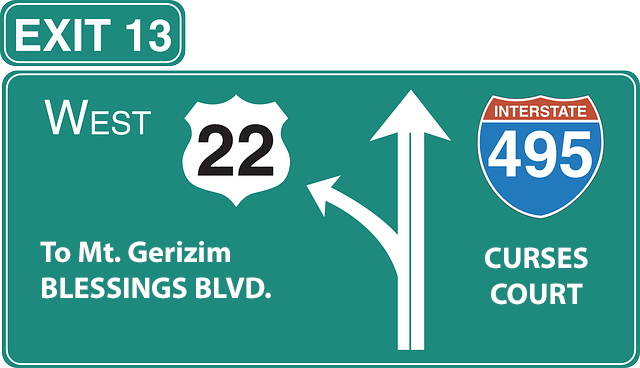
Ki Tavo: What Are We Really Afraid Of?
In this week’s Torah reading, Ki Tavo, we have what’s called the Tochecha, the curses or the rebukes; essentially, the terrible things that will happen if the Israelites, once settled in the Promised Land, don’t follow God’s commandments.
Ki Tetze: A Divine Invitation to Challenge
Parashat Ki Tetze is one of my favorites–not because of the litany of seemingly unrelated, and in some cases, harsh laws, but because it contains the first topic I studied in my “Intro to Mishnah” class in rabbinical school.
Seeing and Appearing
How one person understands something may be different than the person standing next to them. We each “see” things through our own unique lenses, even though we’re all looking at the same thing.
Latest Sermons

Mindfulness-Erev Rosh Hashanah 5784
A few months ago, a couple of my colleagues mentioned using an app called Ten Percent Happier, by former ABC news anchor Dan Harris, for meditation and mindfulness. No, he’s not paying me to talk about the app, or the benefits of meditation, and even though one of his...
Eikev: Mindfully Eating Our Fill
Photo credit: Rabbi Susan Elkodsi, 2021 One of my first classes in rabbinical school at AJR was “Contemplative Practice” with Rabbi Jill Hammer. One of the assignments had to do with “mindful eating,” where you take a small food item–perhaps a grape or raisin– look at...

Yom Kippur: Hope, Despair And A Shining Sun
Yom Kippur 5783 Like many of the quotes and poems that make their way into use, a poem attributed to an anonymous person in a concentration camp, or in hiding, became somewhat of an urban legend, and has often been taken out of context, as well as not accurately...
Latest Midrash HaZak

Pinchas: Women’s Wisdom and the Ripple Effect, Muriel Dance
Photo Credit: Sergiu Bacioiu from Romania, Wikimedia.org Pinchas: Women's Wisdom and the Ripple Effect by Muriel Dance Parshat Pinchas has been like a stone thrown into the pond of my being; it has rippled out over the decades: from the Rosh Hodesh portion that...
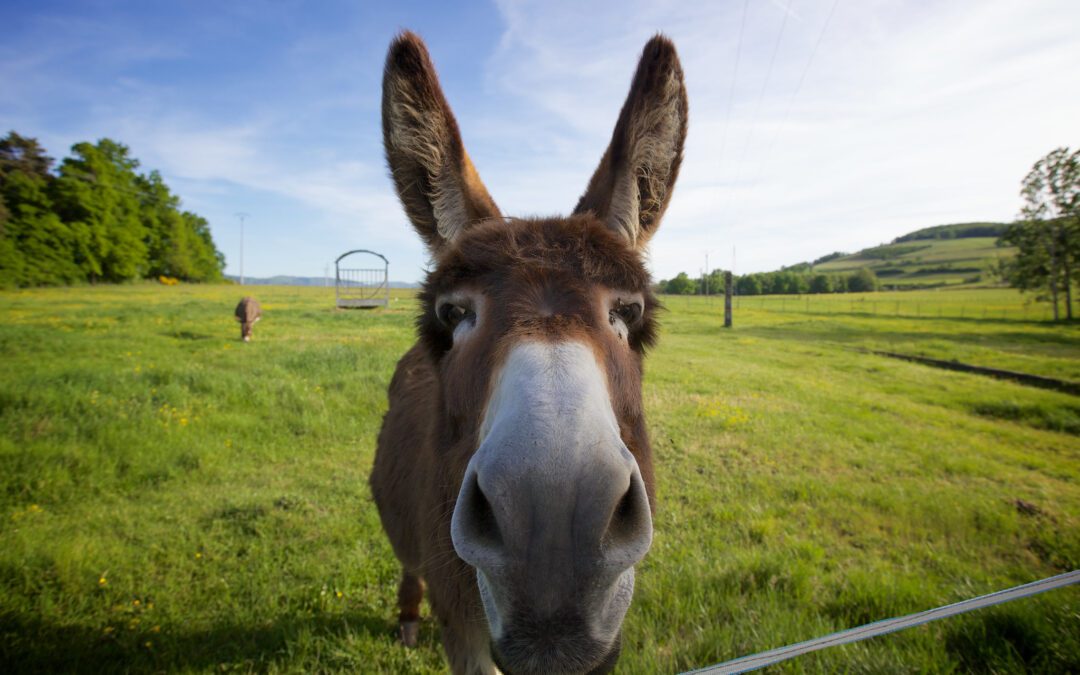
Balak: What The Donkey Sees And Says, Trisha Arlin
Photo Credit: flickr.com/photos/aguichard Balak, What the Donkey Sees and Says ©️2023 Trisha Arlin A man Named Bilam, A people-pleaser, and A freelance speaker of Curses and blessings, Had a donkey That he rode To his professional engagements. One day Bilam was...

Shofetim: Renewing and Focusing on Life
Photo Credit: flickr.com/photos/adamhinett Each morning at the start of the Shacharit prayers there is a passage in which we praise God for having “fashioned man in his wisdom” and “creating within him life-sustaining organs… If but one of these were to function...
Latest Personal Blogs

Ending Hanukkah, A Ritual
Photo Credit: Dr. Len Radin on Flickr The idea for this ritual came about when a comment was made that when a lit candle is used to light other candles, that first candle’s flame doesn’t diminish; rather each flame becomes whole unto itself. When we kindle lights, we...

Sukkah and the Olympics, How Does The Wind Blow?
For many people, reading Talmud is like Joan Rivers’ z”l comment about how calculus might have prepared her to be a housewife; “so I can calculate the size of the living room? It’s six inches shorter than the vacuum cleaner cord!” More than one person has questioned...